Why Are the Epstein Files Still Controversial? Examining the Trump Question
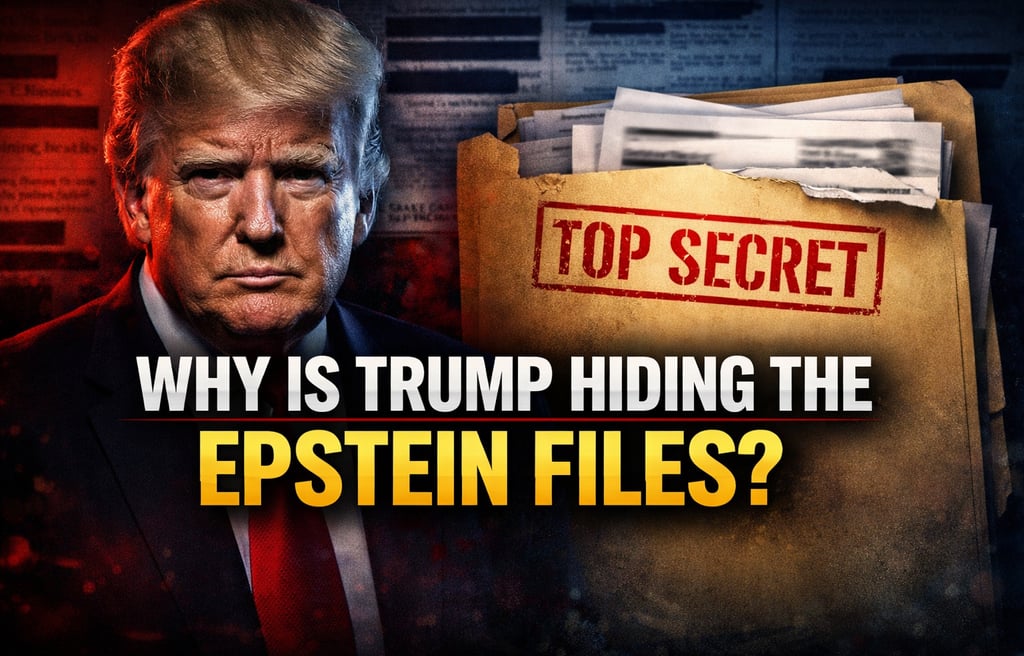
Why Are the Epstein Files Still Controversial? Examining the Trump Question
The case of Jeffrey Epstein remains one of the most disturbing and controversial criminal scandals in modern American history. Years after his arrest and subsequent death in custody in 2019, public interest has not faded. Instead, it has intensified—especially regarding the so-called “Epstein files” and the powerful individuals whose names appear in court documents, flight logs, and witness testimony.
Among the recurring questions is one that frequently trends online:
Why are some people asking whether Donald Trump is “hiding” the Epstein files?
To understand that question, it’s important to separate fact, speculation, and political rhetoric.
What Are the “Epstein Files”?
The term “Epstein files” is not an official legal label. It generally refers to:
Court records from criminal and civil cases
Depositions and witness testimony
Flight logs from Epstein’s private aircraft
Contact books and seized documents
Grand jury materials (which are typically sealed)
Many documents have already been released through lawsuits and court rulings. Others remain sealed for legal reasons, including privacy protections and ongoing investigations.
Donald Trump’s Past Association With Jeffrey Epstein
Public records show that Donald Trump and Jeffrey Epstein moved in some overlapping social circles in the 1990s and early 2000s. Photographs and media reports confirm they were at some of the same events.
However:
There is no criminal charge against Trump related to Epstein.
Trump has stated he cut ties with Epstein before Epstein’s first conviction in 2008.
No court has found Trump legally responsible in connection with Epstein’s crimes.
Like many high-profile figures, Trump’s name has appeared in media coverage discussing Epstein’s network—but appearing in social contexts is not the same as being charged with wrongdoing.
Why Do People Believe Files Are Being “Hidden”?
Several factors fuel suspicion:
1. Sealed Court Documents
Some materials remain sealed by judicial order. Courts often seal records to:
Protect victims’ identities
Preserve due process
Comply with grand jury secrecy laws
When documents remain sealed, speculation tends to fill the gap.
2. Political Polarization
In a deeply divided political climate, major scandals are frequently weaponized. Supporters and critics alike may interpret incomplete information through partisan lenses.
3. Epstein’s Death in Custody
Epstein’s death in a federal jail sparked widespread distrust and conspiracy theories. Questions about jail procedures, camera malfunctions, and oversight failures increased public suspicion of institutional transparency.
4. Calls for Full Disclosure
Many Americans across the political spectrum believe all Epstein-related documents should be made public—regardless of who may be named.
What Do We Actually Know?
As of publicly available records:
Multiple batches of Epstein-related documents have been unsealed by court order.
Names appearing in documents do not automatically indicate criminal involvement.
No official ruling states that any specific president or administration is “hiding” files for personal protection.
It is important to distinguish between:
Document release controlled by federal courts
Investigations conducted by the Department of Justice
Political narratives circulating online
These are not the same thing.
The Bigger Question: Transparency and Accountability
Rather than focusing solely on one political figure, many observers argue the broader issue is institutional transparency.
Key public concerns include:
Should all non-victim-sensitive documents be released?
How can the justice system ensure accountability for powerful individuals?
What reforms are needed to prevent similar abuses of power in the future?
The Epstein case raises systemic questions about wealth, influence, and legal privilege—issues that transcend any one administration.
Final Thoughts
The phrase “Why is Trump hiding the Epstein files?” reflects public frustration and mistrust—but it is not a confirmed factual claim supported by legal findings.
What is real is the ongoing demand for clarity.
The Epstein case represents one of the most troubling intersections of power and exploitation in recent memory. Whether under Republican or Democratic leadership, public trust depends on transparency, due process, and equal application of the law.
As more documents are reviewed and released through the courts, the facts—not speculation—should guide conclusions.