The “Unredacted Epstein Files”: What We Know and What We Don’t
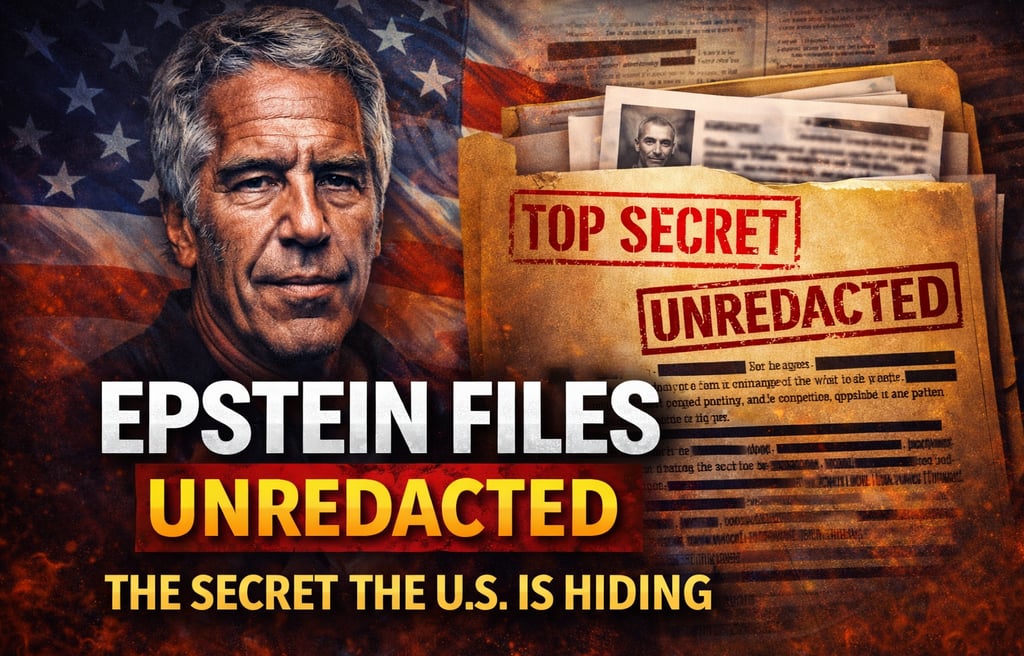
Few modern criminal cases have generated as much public interest as the Jeffrey Epstein scandal. Years after his arrest and death in federal custody in 2019, questions continue to circulate — especially about the so-called “unredacted Epstein files.”
But what exactly are people referring to when they demand “unredacted files”? And what is actually known versus speculated?
Let’s break it down carefully.
What Are the “Epstein Files”?
There is no single official document called “the Epstein files.” The phrase typically refers to a collection of materials connected to investigations and court proceedings involving Jeffrey Epstein, including:
Criminal indictments
Civil lawsuit filings
Deposition transcripts
Flight logs
Contact books
Seized evidence
Federal investigation records
Some of these materials have been released publicly over time through court orders. Others remain sealed or partially redacted.
What Does “Unredacted” Mean in This Context?
When documents are redacted, specific portions are blacked out before release. This is commonly done to protect:
Victim identities
Sensitive personal information
Ongoing investigative details
Classified information
An unredacted version would contain the full, unedited content — names, dates, and details included.
Public interest often centers on whether additional names or information remain hidden within redacted sections.
Why Are Some Documents Still Redacted or Sealed?
There are several legal reasons why courts may limit full public access:
1. Protection of Victims
Many of the individuals involved were minors at the time of alleged abuse. Courts prioritize privacy and protection.
2. Due Process
People named in documents are not automatically charged with crimes. Courts avoid releasing information that could unfairly damage reputations without legal findings.
3. Grand Jury Secrecy Laws
Grand jury materials are legally protected and rarely made public.
4. Ongoing Legal Considerations
Civil litigation and appeals may affect what can be disclosed.
What Has Already Been Released?
Over the years, federal courts have ordered multiple batches of Epstein-related documents unsealed. These releases have included:
Previously sealed deposition excerpts
Names of associates mentioned in civil proceedings
Flight log entries
Communication records introduced in lawsuits
However, appearing in a document does not automatically imply wrongdoing. Legal documents often contain references to individuals for context, not necessarily criminal involvement.
Why Is There So Much Suspicion?
Several factors have fueled public distrust:
Epstein’s death in jail under controversial circumstances
The high-profile nature of individuals who reportedly interacted with him
Delays in releasing certain materials
Political polarization surrounding transparency
When documents contain blacked-out sections, it naturally raises questions about what is being withheld.
At the same time, redaction is a common and legally structured process — not proof of concealment.
What Would “Fully Unredacted” Files Mean?
If every document were released without redactions, it could:
Reveal additional contextual details
Clarify timelines
Identify more individuals mentioned in testimony
But it could also:
Expose victims’ identities
Publicly name individuals not charged with crimes
Compromise privacy rights
This is why courts must balance transparency with legal protections.
The Bigger Issue: Transparency vs. Responsibility
The demand for unredacted files reflects a broader public concern about accountability when powerful individuals are involved.
At the same time, legal systems operate under strict rules designed to:
Protect victims
Preserve fairness
Prevent trial-by-media
Safeguard constitutional rights
Transparency builds trust. But responsible disclosure protects justice.
Final Thoughts
The phrase “unredacted Epstein files” carries strong emotional weight. It represents public frustration, curiosity, and a desire for clarity.
However, it is important to distinguish between:
Confirmed court records
Ongoing legal processes
Speculation circulating online
As additional court rulings occur, more documents may be released. Until then, conclusions should be based on verified legal findings — not assumptions.
The Epstein case remains one of the most disturbing criminal scandals in recent history. Ensuring accountability requires both transparency and adherence to due process.